The work being conducted by the SMR RF is generally of a complex nature with a focus on SMRs. The SMR RF selects topics to be considered during each phase of work. The topics are proposed by the SMR RF Working Groups (WGs) and approved by the SMR RF Steering Committee.
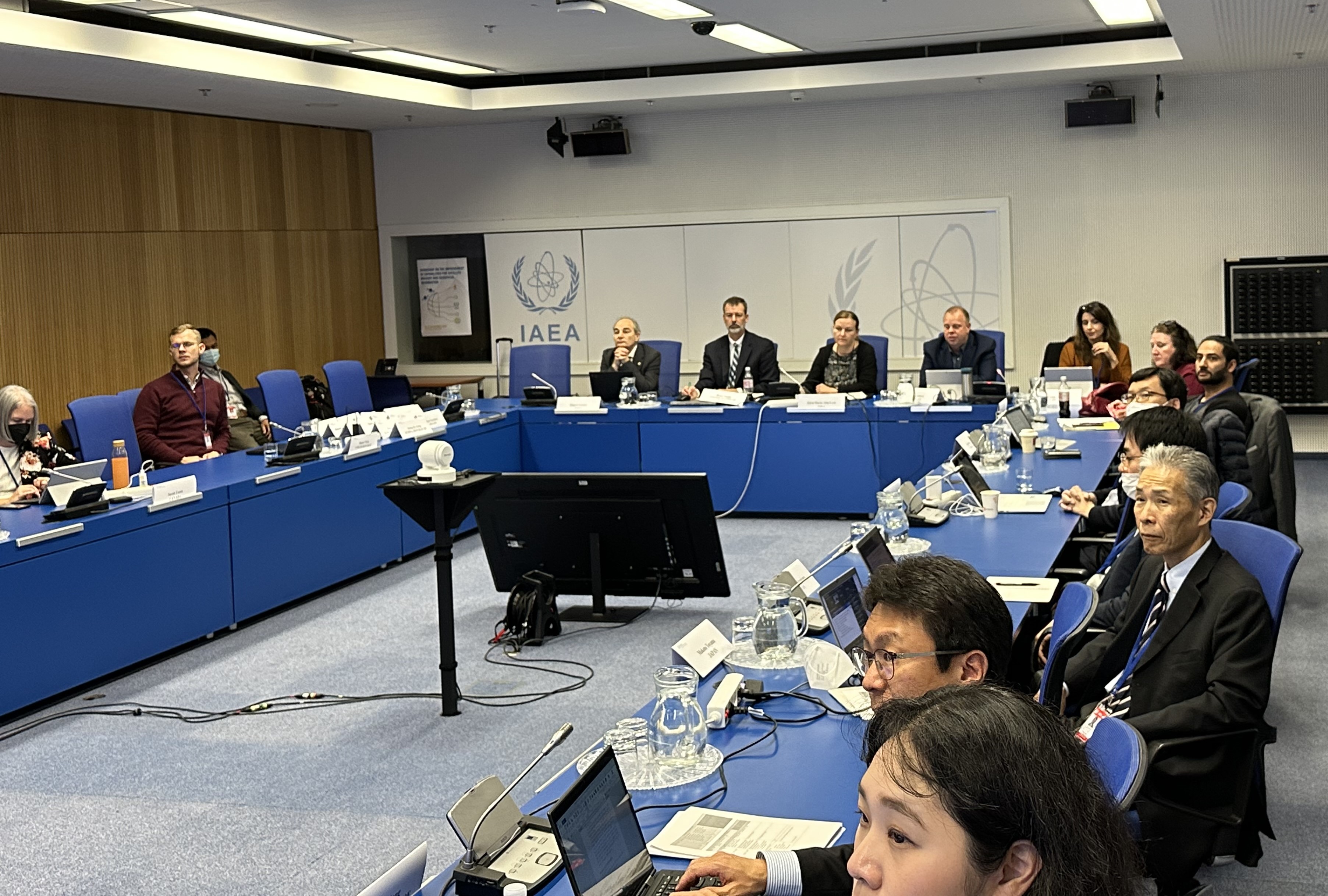 SMR RF Final Plenary – 02 December 2022 (Photo: IAEA)
Based on the complexity of the chosen topics, the SMR RF Steering Committee decides on how long the work phase will take. Each phase lasts between two and three years. The work is carried out by task-specific technical SMR RF Working Groups (WGs), composed of experts from the Forum Members with the appropriate expertise to contribute effectively to the development of the topics allocated to their WG and to ensure that the views of their regulatory bodies are represented.
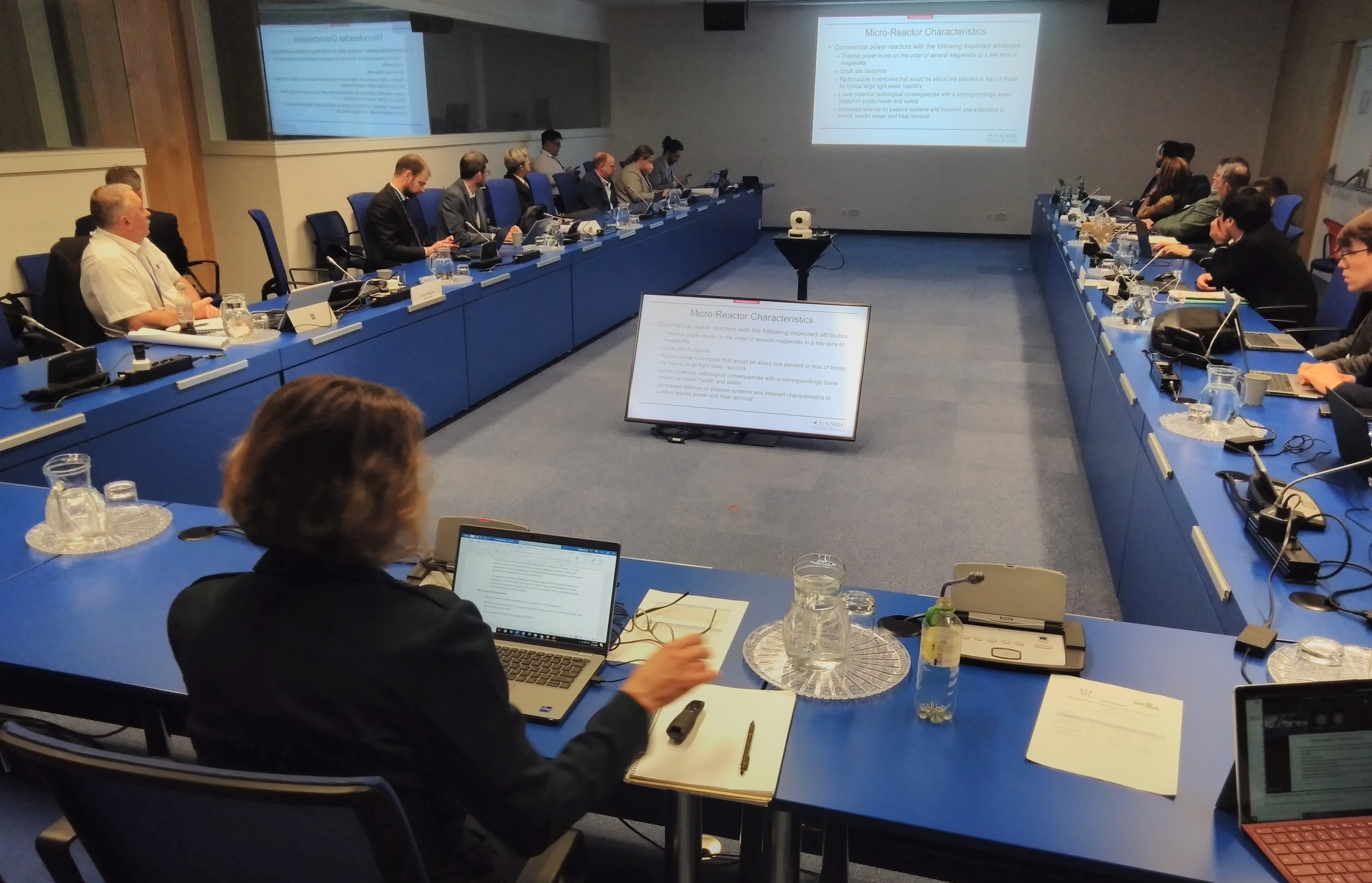 SMR RF Technical Topics Special Session – 17 April 2024 (Photo: IAEA)
The SMR RF has undertaken four phases of work.

Phase 1 (Pilot) of the SMR RF was launched in March 2015 to demonstrate the ability to produce meaningful cooperative outputs. The SMR RF WGs studied how emergency planning zones, the principles of graded approach and defence-in-depth should be applied to SMRs.
During Phase 2, topics on licensing issues, design and safety analysis, and manufacturing, construction, commissioning and operation issues were developed.
In Phase 3, SMR RF WGs considered: the integration of safety, security and safeguards (3S) in SMR designs; the impact on defence-in-depth due to containment features of advanced non-light water SMRs; and the implications of long-lead procurement, as well as the impact on the conduct of authorized activities by licensees in the case of SMRs.
In August 2022, the SMR RF joined the IAEA Nuclear Harmonization and Standardization Initiative (NHSI) to lead the Regulatory Track WG3, tasked with developing processes for leveraging other regulatory bodies’ reviews and for enabling them to work together when performing reviews.
Launched in 2024, Phase 4 addresses several topics, such as: mechanistic source terms; 3S topics; manufacturing and deployment in the absence of a licensee; construction oversight; and organizational capability of a new licensee (with no prior nuclear experience).
The IAEA Nuclear Harmonization and Standardization Initiative (NHSI) was launched by the IAEA DG Rafael Mariano Grossi in March 2022, with the aim of harmonizing and standardizing regulatory and industrial approaches in support of the effective and safe and secure global deployment of advanced nuclear reactors.
To meet its purpose of making substantive progress towards nuclear harmonization and standardization, the IAEA NHSI work has been carried out in two tracks:
- Regulatory Track (RT);
- Industry Track.
The Regulatory Track (RT) aims at:
- minimizing repetition among regulatory reviews by different Member States;
- minimizing need for design changes arising from differences among Member States' regulations;
- establishing common basis for the Member States' regulatory decisions while preserving their sovereignty.
NHSI Phase I (2022-2024)
In August 2022, the SMR RF officially joined the IAEA NHSI RT to lead one of its working groups, developing approaches for collaborative reviews and effective leveraging. The SMR RF Licensing Issues Working Group (WG 1) served as the main organizational modality, with its focus, composition and schedule adjusted accordingly. For this effort, the SMR RF members (Canada, Czech Republic, China, Finland, France, Japan, Republic of Korea, Netherlands, Russian Federation, South Africa, United Kingdom and United States of America) were joined by experts from other IAEA Member States including Argentina, Armenia, Belgium, Brazil, India, Poland, Romania, Slovenia, Sweden, Switzerland, Türkiye, United Arab Emirates, as well as the OECD-NEA. During Phase I, experts met ten times, five times virtually and five in a hybrid format. The approaches developed are captured in IAEA Technical Document IAEA-TECDOC-2098 Collaborative Reviews and Effective Leveraging.
TECDOC-2098 explores how regulatory bodies can leverage each other’s reviews, while maintaining independent assessments aligned with national requirements. Drawing on lessons from past and ongoing multinational efforts, this document is a must-read for regulatory bodies, technical support organizations, and industry stakeholders involved in pre-licensing and licensing of advanced reactor designs.
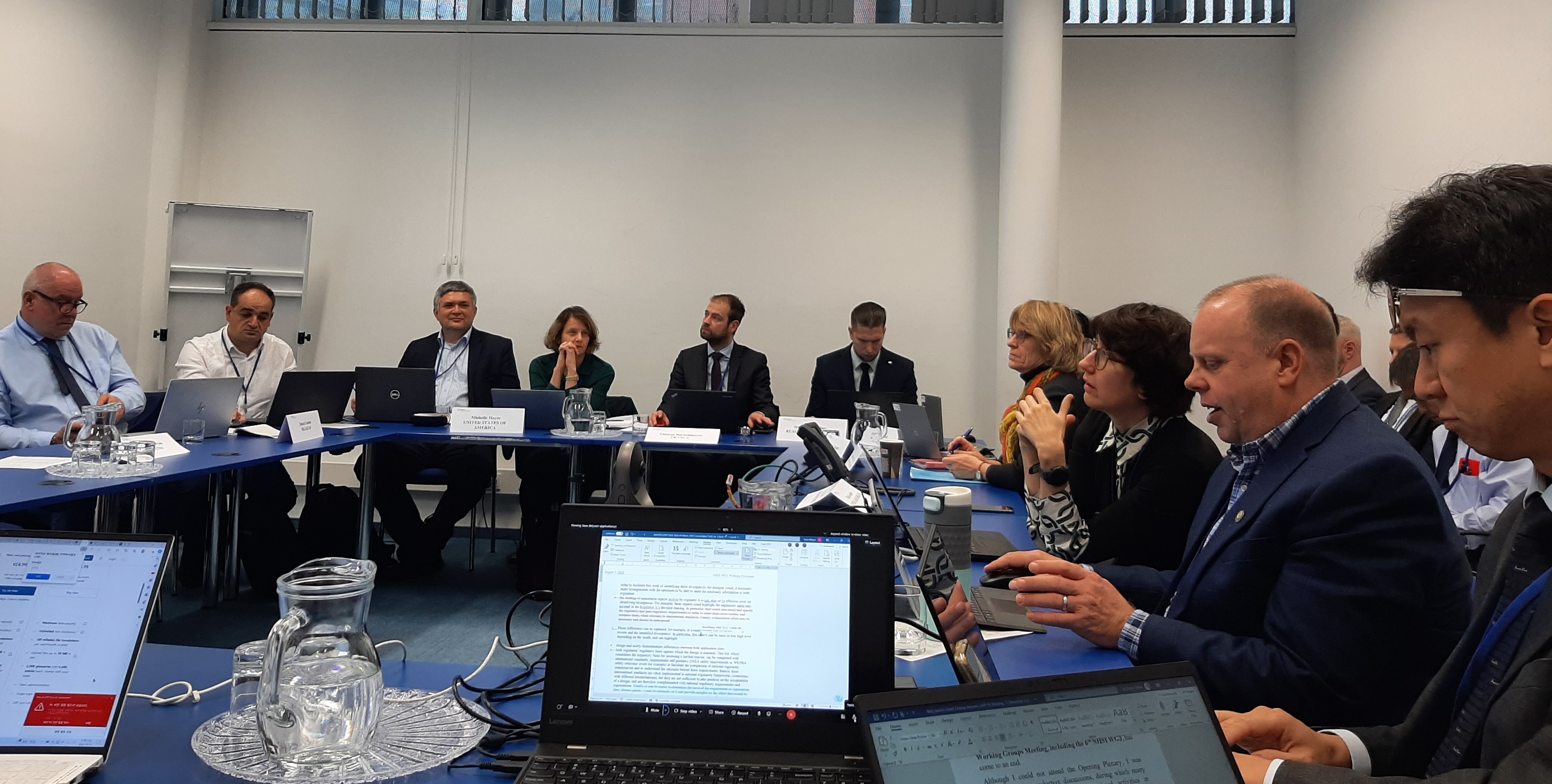 Licensing Issues Working Group at NHSI WG3 Meeting – 13 December 2023 (Photo: IAEA)
NHSI Phase II (2025- end 2026)
At the NHSI Plenary Meeting in October 2024, the IAEA was requested to continue the efforts mainly on the implementation of the Phase I processes and the subsequent analysis of implementation feedback. In this context, the SMR RF continued its partnership with the NHSI RT to develop a Regulatory Cooperation Toolkit (RCT).
The RCT is a suite of tools, i.e. guidance documents, templates, tables and questionnaires, designed to facilitate practical use of the TECDOC-2098 processes and to advance international regulatory cooperation for SMR technologies.
